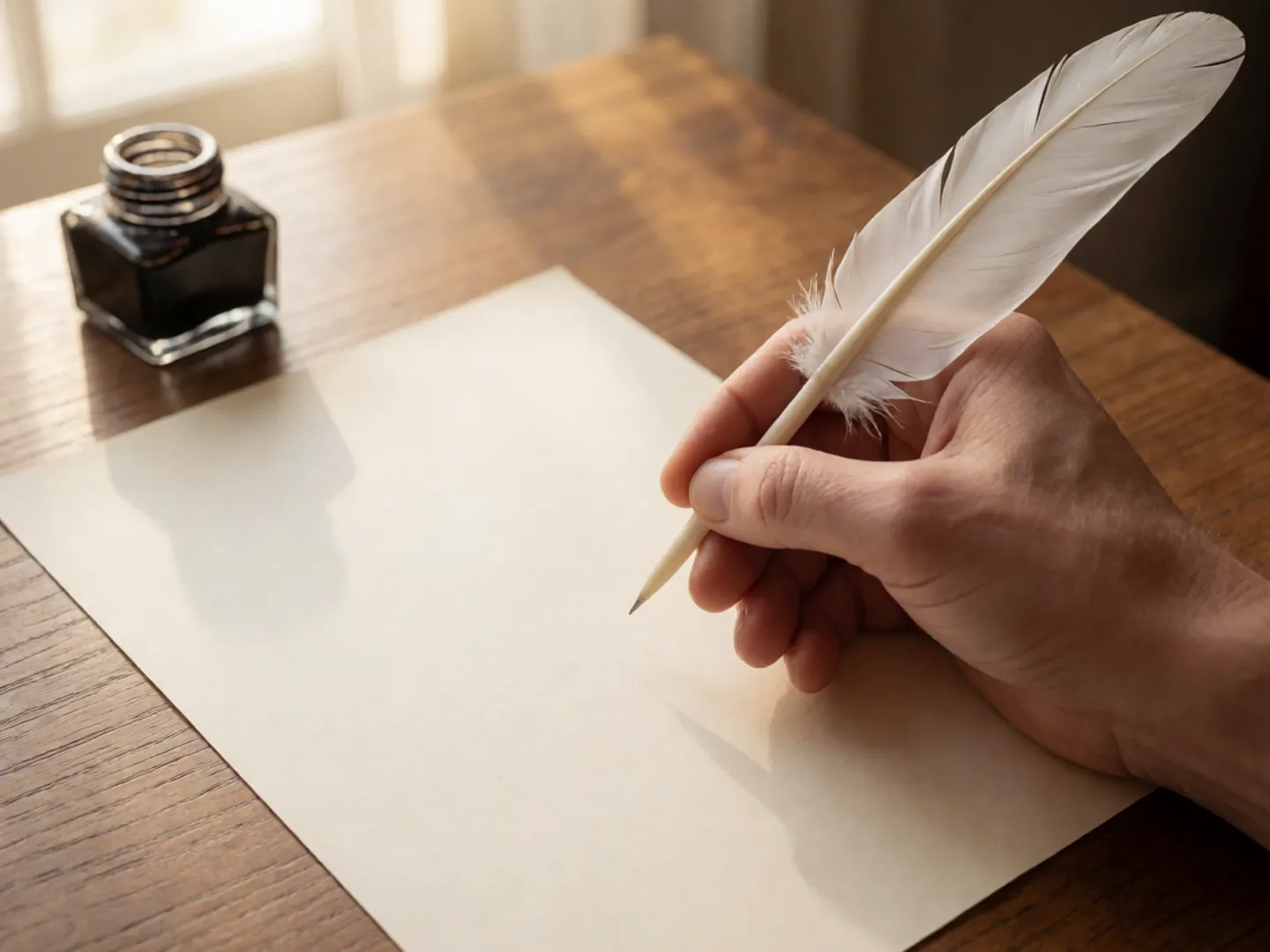
Medieval books were written out by hand, letter by careful letter.
Around the text, scribes, artists and readers left something livelier: flourishes with faces, comic monsters, pointing hands and grumbles. Curators and book historians now read the margins as closely as the text.
AI-generated image, not a photograph of a real person or place.
Flourishes and faces
Drolleries and snails
Notes and pointing hands
Three kinds of marginalia
THE SHORT ANSWER
The margins hold the people.
Text carried the information. The margins show who made and read the book.
THE SPACE
Half the page was blank
A book historian notes that on average about fifty percent of the medieval page was left blank, room that scribes and readers used for notes and pictures.
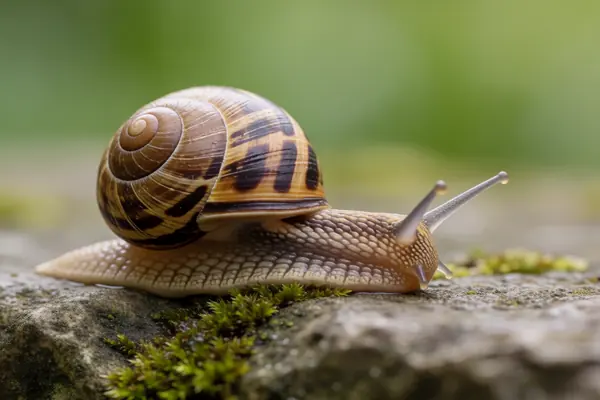
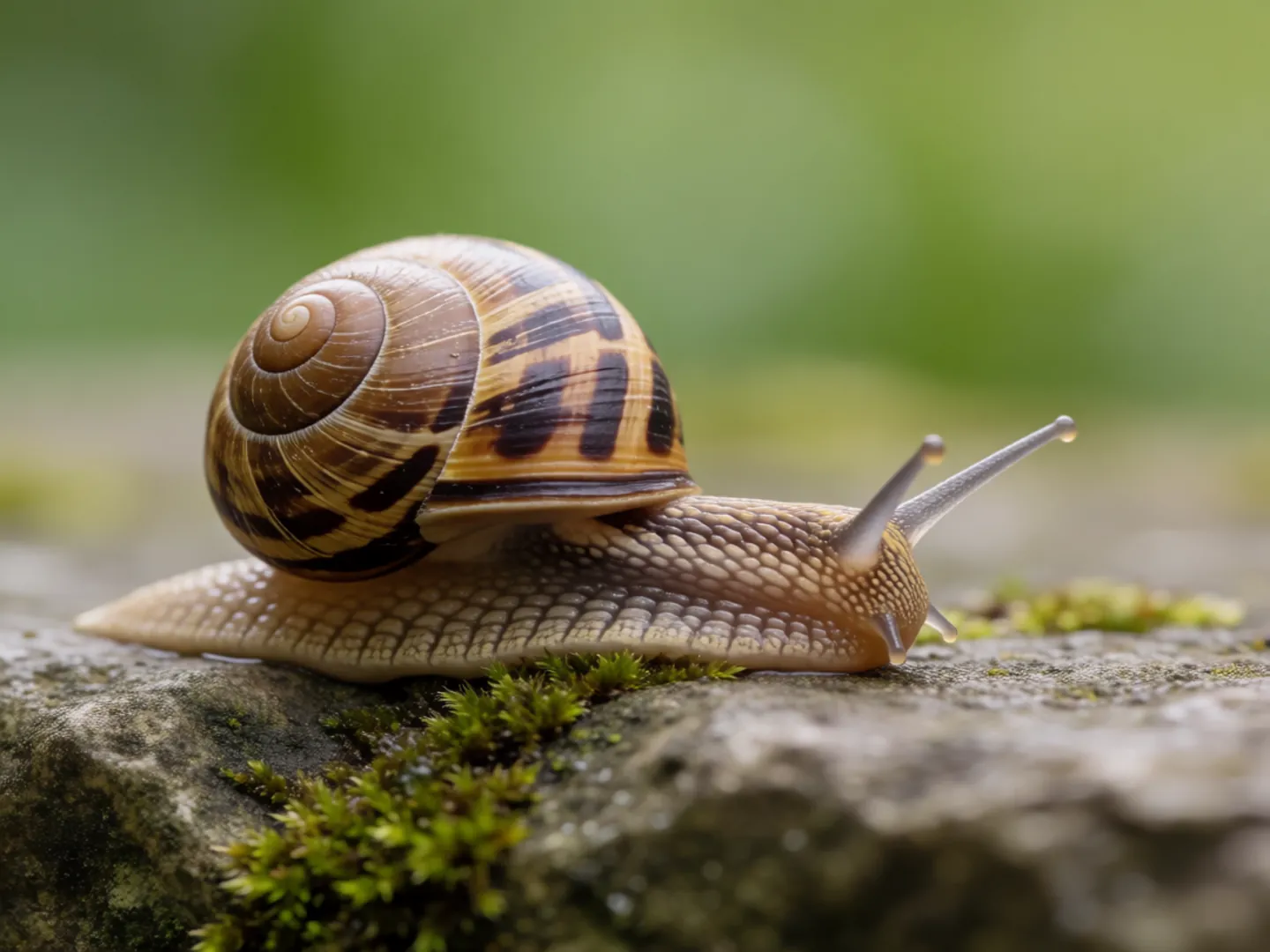
British Library curators say images of armed knights fighting snails are common in 13th and 14th century margins, and nobody agrees on what they meant.
Pick a kind of marginalia to see what it is and who usually put it there. The bar shows how personal it is, from planned decoration to a reader's own voice.
Based on curators' and book historians' posts from the British Library, the University of Manchester's Rylands collections, the University of Kansas Spencer Library and the medievalbooks blog.
TWO NUMBERS WORTH KNOWING
Plenty of space, and a fair wage.
One figure on how much of the page was empty, one on what a grumbling scribe really earned.
≈ 50%
Average share of the medieval page left blank
A book historian writes that on average a stunning fifty percent of the medieval page was left blank. It is in that space, often left out of printed editions, that marginal notes survive.
THE PAGE · MEDIEVALBOOKS
1.4 shillings a day
Henry of Damme's daily earnings in 1444
Henry tallied his work on a flyleaf: 11 golden letters, 700 initials and 35 quires of 16 leaves. His complaint aside, he earned about the same as fellow scribes in the chancery.
THE SCRIBE · MEDIEVALBOOKS
Henry of Damme finished his copy of a chronicle of Brussels on 15 May 1444, at nine in the evening, for the city government.
HOW TO READ A MARGIN
Look past the text, to the edges.
Many libraries share digitised manuscripts and close-up sessions. When you look at one, these are the things curators point out.
Scan the top line
Look for flourished letters stretching into the margin, sometimes drawn as heads or crowned faces.
Check the corners and borders
Drolleries and grotesques often sit at the foot of the page or curl out of tendrils and initials.
Look for small marks
Tie marks link a note to the text; pointing hands and crosses flag passages a reader cared about.
Read the flyleaves
Scribes sometimes left tallies, names or complaints at the very start or end of a book.
AI-generated image, not a photograph of a real person or place.AI-generated image, not a photograph of a real person or place.
WHY SNAILS?
Plenty of theories, no single answer.
As early as 1850 the bibliophile Comte de Bastard suggested a marginal snail stood for the Resurrection. Lilian Randall proposed it symbolised the Lombards. Others have read it as the poor against the aristocracy, a garden pest or a jibe at social climbers.
British Library curators quote the art historian Michael Camille: marginal imagery lacks the iconographic stability of a religious narrative or icon. The Rylands team add that drolleries may have questioned the text, aided memory or simply entertained bored readers.
Questions
Questions people ask
What does marginalia mean?
The text and images in the margins of manuscripts and printed books. They include decoration planned by the makers and notes or drawings added later by readers.
What is a drollery?
An amusing figure or scene, often in the margin of a manuscript or inside an initial letter. Grotesques, which combine human and animal forms, are closely related and are sometimes called babewyns.
What is a manicule?
A small drawn pointing hand, from the Latin for little hand, used by readers to mark an important passage. Early modern manicules could be elaborate, with decorative cuffs and slashed sleeves.
Why are knights shown fighting snails?
No one knows for sure. Scholars have suggested the Resurrection, the Lombards, the poor against the aristocracy or a garden pest, and the motif may have meant different things at different times.
Did scribes really complain in their books?
Sometimes. The scribe Henry of Damme wrote in 1444 that for such a small payment he would never write again, though his own tally shows he earned about the same as other scribes.